 Skip to content

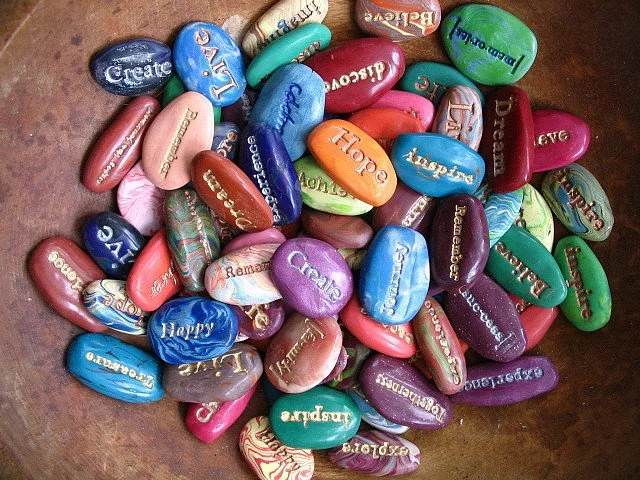
Nice words, ugly words, nice words, curse words, thanks, sad words, positive words, negative words. . . What letters do you use, in what voice, in what time and how many of them you say. . . it’s all important. Whether your home environment is happy and cheerful or negative and miserable depends, to a large extent, on the words you use.
Words hold power. Whichever direction your words go, your mind, body and environment will surely follow.
Often when couples talk to each other, they do a number of things that ultimately do not lead to a good relationship, or relationship. People are very reactive in the ways they respond to words. They hear something and, even before they understand what they are hearing, they have emotional responses.
You can get defensive very quickly. Emotional responses can come from past experiences, or from the sound of the voice, or. . . although things that have nothing to do with the intention of the person speaking. That’s why A soft start always helps to start communication in the right way.
Research shows that the human brain can really only hold four things at once, so if you go on for five or 10 minutes trying to argue a point, the other person will only remember a very small part of what you said.
To communicate effectively, speak concisely. Then let the other person have an answer. And by short I mean a sentence or two, maybe 30 seconds worth, because that’s exactly what the human brain can take in and absorb.
There is a lot of evidence to show that negative words and negative emotions are harmful to the brain, but positive words and positive emotions are beneficial. so, speak less negative words and more positive words. People answer yes better than no.
One thing I relearned when I had small children was to change the times I said NO. It’s easy for parents to almost automatically say no to many things.
But then I noticed that it brings back negativity and resistance. Same thing with my partner.
So, today, I try to think, before saying no, how I can turn it into a yes.
For example, if my husband asks me for something, and I’m in the middle of a project, or I’m busy, my answer might be: “Yes, I’ll help you with that when I finish loading the dishwasher.”
Your turn
Today, say more positive than negative words and shorten your communication.
For example, if someone asks for something and you’re busy, instead of saying, “I can’t, can’t you see I’m busy?” Say: “Sure, when I’m done…”
Avoid things like “you always…” on purpose. “never…” “How could you be so … (negative words)” Instead, use positive words such as “Thank you”, “I’m proud of you”, “That was nice!”
You get the idea. . . Make your words count for the best!
PS
If you are struggling with your communication as a couple, you can schedule a FREE 30 minute session. “Couple Strategy Session” right on my calendar by clicking the button below.