 Skip to content

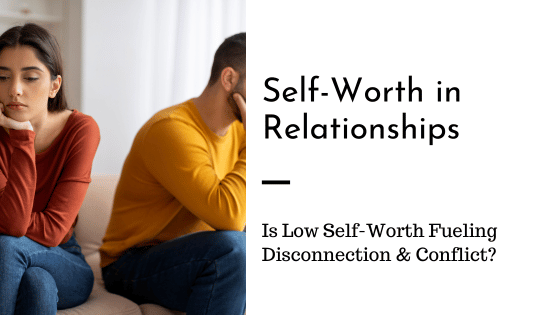
Self-esteem is an important component of any relationship. It affects how we communicate, set boundaries, and respond to conflict, which in turn affects how we bond with our partners. When self-esteem is low, it can also damage love relationships. When things are healthy and balanced, it creates space for mutual respect, deep intimacy, and emotional security.
In relationships, self-esteem refers to the dynamics between the two people. Whether you’re currently in a relationship or considering past relationships, understanding the role that self-esteem plays can provide guidance for more authentic relationships.
Self-Worth as a Foundation for Attachment
Self-worth is influenced by what we believe we deserve. This belief affects everything from the way we express our needs to how we interpret our partner’s actions. When you feel valued, you may realize that your needs are important, that you are worthy of love, and that your partner cares about you.
If you feel unworthy, you may question your partner’s motivations, assume the worst, or keep quiet about your needs for fear of judgment.
This dynamic can create a significant gap between partners. This is not necessarily because they are incompatible, but because one may not believe that they are worthy of love in the first place.
Impact on Relationships
Research has shown that people with high self-esteem tend to report greater satisfaction in romantic relationships. They are more likely to feel safe, communicate openly, and work through conflict less defensively. On the one hand, low self-esteem is associated with anxious or obsessive attachment behaviors, and these patterns often lead to misunderstanding, emotional detachment, or attachment.
Even when both partners love each other, mismatched self-esteem can lead to:
- Overstay: A partner may constantly pursue the other’s needs, fearing conflict or abandonment.
- Jealousy and distrust: A person with low self-esteem may interpret small shifts or setbacks as signs of rejection.
- Unrealistic expectations: Sometimes, low self-esteem causes a person to rely on their partner for constant approval, causing trouble over time.
- Emotional withdrawal: If someone doesn’t believe they are worthy of support, they may withdraw to avoid burdening the other person.
Each of these behaviors can be subtle at first. But over time, they can reduce trust, emotional security, and overall satisfaction in the relationship.
How One Person’s Personality Affects Both
Self-esteem struggles don’t just affect the person experiencing them. When one partner is having a hard time, the other usually feels the effects. This might look like:
- Caregiver fatigue: When one person constantly needs reassurance, the other may become emotionally drained or feel responsible for keeping the peace.
- Connection problems: Low self-esteem can lead to defensiveness or indirect communication, which can confuse or frustrate a friend who wants to help.
- Imbalanced power dynamics: If one partner always feels “less than,” they may avoid conflict or give up their preferences, creating an uncertain power balance.
In some cases, the high-value partner may even start questioning themselves, especially if they are often experiencing doubt or withdrawal. This can lead to a breakdown in mutual understanding and emotional attachment.
Cultivate Healthy Self-esteem in a Relationship
Fortunately, self-esteem is not a fixed level. You don’t have to experience low self-esteem forever just because you feel that way now. Self-esteem is shaped by early life experiences, cultural understanding, and personal relationships, but it can also evolve from where it is. With intentional thought, support, and practice, it is very possible to reassess and increase your self-worth.
Here are some key steps that can help:
1. Build a Shameless Mindset
The first step is how to show self-worth. Do you struggle to accept praise? Do you feel like you are always “too much” or “not enough”? Mindfulness can help you begin to change the narrative without guilt.
- Try writing or talking to a therapist to uncover the roots of low self-esteem.
- Be kind to yourself. These patterns are usually formed in the early stages of life as defense strategies.
2. Set Healthy Boundaries
Boundaries are essential to any healthy relationship, and setting them reinforces your sense of worth. When you politely say “no” or ask for space when you need it, you’re honoring your needs instead of giving up on them.
3. Changing the Internal Dialogue
When you talk to yourself with the same kindness you would offer a close friend, self-esteem grows. Replace your criticisms with positive and realistic self-talk. Use language that focuses on learning and growth, not perfection. However, doing this doesn’t mean you ignore your mistakes. You’re just trying to see yourself as a whole, complex, and evolved person.
4. Seek Internal Verification First
External acceptance, especially in a romantic relationship, feels good. But when that’s the only source of self-esteem, the dynamic is broken. Learn to recognize and celebrate your worth beyond your partner’s responses. Think about what you like about yourself as a person, not as a partner. What accomplishments, qualities or values make you proud of who you are?
By connecting your self-worth to your intentions, you reduce the emotional pressure placed on the relationship to “fix” you or prove your worth.
5. Initiate Open and Honest Communication
Talk to your partner about your struggles without making them responsible for their self-esteem. Let them know your experience so they can better understand your needs, as well as how to best support you.
A loving spouse can’t rewrite your narrative for you, but they can walk with you as you grow and support you when you need their strength.
When Both Partners Struggle with Self-Esteem
Sometimes, both people in a relationship hurt their self-esteem. This can create a cycle of co-dependence, mutual insecurity, or conflict avoidance, but it doesn’t have to. If this sounds familiar, approach the problem as a team. Consider marriage counseling or individual therapy to work on your underlying issues. Normalize the struggles you are having, because many others are in the same place as you.
Focus on building emotional security together, where both people feel heard, respected and valued. Even in relationships where both partners feel insecure, recovery is possible.
Bans Not Earned
Everyone brings their own history, beliefs and emotional habits into a relationship. But no matter how they look, one fact remains: you are worthy of love, care and respect. You don’t have to perform perfectly to deserve it; you just have to have it.
Self-esteem isn’t about thinking you’re perfect, or even wanting to be perfect. It’s about accepting your flaws and knowing that they don’t diminish your worth.
Whether you’re just starting to explore this or are deep into the work, remember that improving your self-esteem isn’t just a gift for yourself. It’s also a gift to any relationship you’re in, because a healthy and well-rounded person often makes a healthy and well-rounded partner.
If you struggle with your self-worth and are ready to dig even deeper, our highly trained therapists are here to support you. Visit this page to schedule your first session or contact us.