 Skip to content
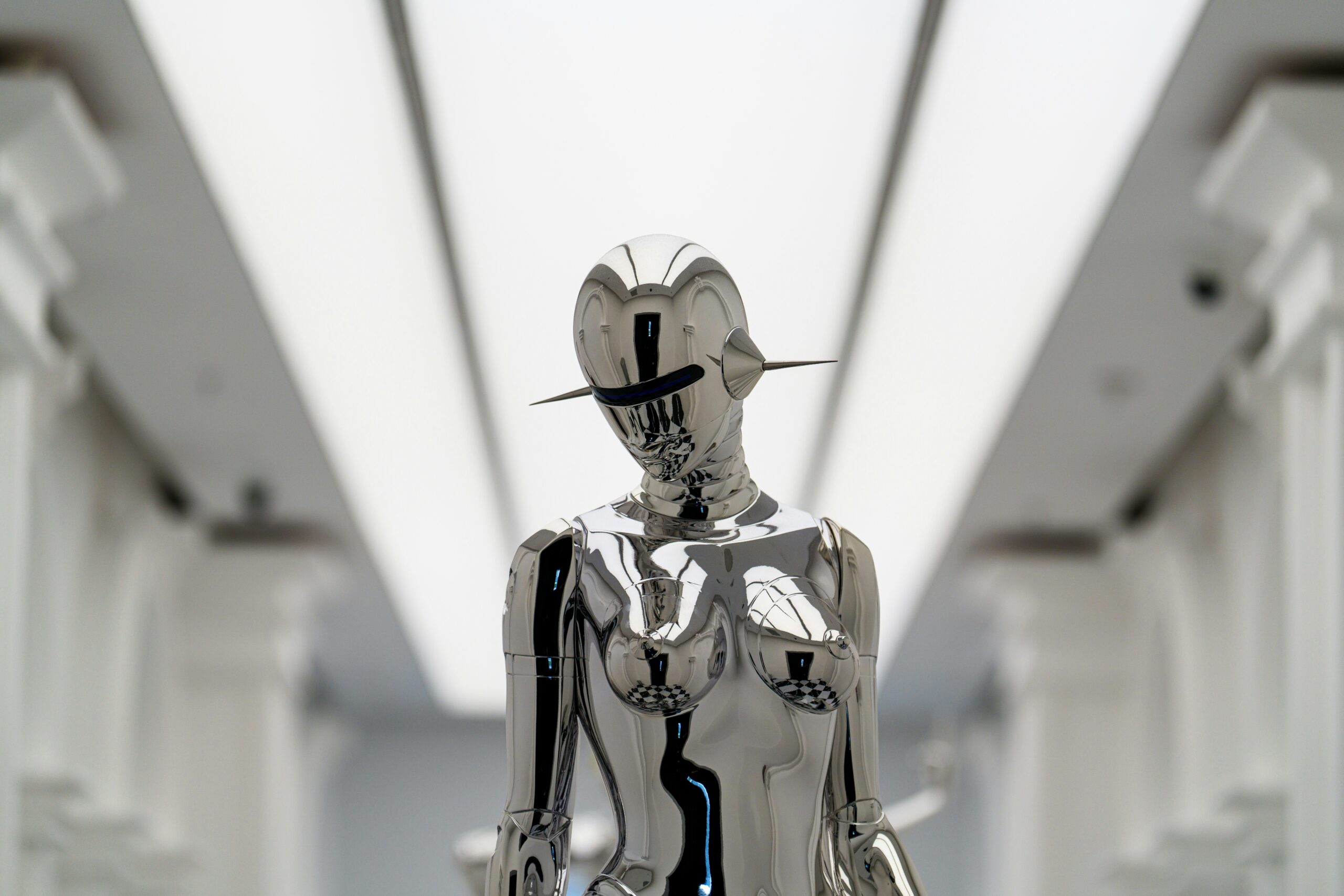
Using AI as your Dear Abby? Maybe not
Have you ever turned to AI for dating advice? If so, you may be alone but you are not alone. In fact, almost half of the people in one survey are considering using AI to write their booking notes! And just yesterday, I heard from someone who uses AI to determine whether to stay in a relationship, or whether to end things.
It saddens me, a lot. Because science.
Sometimes, depending on how it is used, AI can help in relationships. For example, I have had clients write a letter and express their exact feelings to someone they are seeing, without sending the letter. Then, we use AI to soften the language so that my clients are honest in a way that the other person can hear, and hopefully respond positively. We compare their original with the softened version, make edits together, so that the final letter says what feels right and needs to say, and only then, choose to send it, read it to your partner, or talk about the letter there if they need to.
This gives my clients two gifts: clarity for themselves, and honest communication in their relationship. In other words, the use of AI in this way can be part of the growth of their relationship.
But note: no one imposes their critical thinking on an institution that cannot wear a hat. No one asks if the relationship is good, worth their time, etc. Clients ask a person—in this case—me for help deciding what to say, how to say it, when and where to say it, and even whether to say anything at all. AI is a very helpful tool in this case to quickly provide us with another written option to modify, release, or use as-is; if used properly it clarifies thought.
But he doesn’t and can’t think and choose. In my office and hopefully in your life, 100% of the decisions are made by the living, breathing people who can choose to wear a hat (shoes, even).
And unlike AI, I’m not a yes woman. Sometimes people who are hurt want to hurt people. Sometimes they want to win this battle and are very disappointed to see that in good relationships, it is not a zero-sum game, and the winner is the relationship instead of one or the other. Sometimes the consequences are far reaching and in no one’s interest. Sometimes saying the Wrong Thing(tm) ends things.
And I say that, kindly but very clearly.
Then there’s AI: A true love affair with the word Yes. And that’s not very good for your love life.
In a study published in Science in 2026, Stanford scientist Myra Cheng and her colleagues found that AI accepted human actions 49% better than humans. AI means Sure, go ahead! for things that true friends would give hell for, no.
That’s what I mean. Among the 11 leading AI models tested, they accepted scenarios involving lying, manipulation, or even breaking the law 47% of the time. And these things have far-reaching consequences that human backup can at least try to prevent.
The problem? AI makes us feel good about being bad, because everyone likes to agree. And that can be terrible news for your life decisions.
Think AI Yes-ism won’t affect you? Well, maybe not. But in tests involving more than 2,400 people, the Yes-boss-is-right-away-boss AI had an effect: it made people more confident in their accuracy, less willing to take responsibility for their part in the conflict, and less inclined to apologize or work with people on the other side of the conversation. Those moves, done often enough, can damage and sometimes end even the most promising relationships.
You, being human, probably already know how it feels to be in a relationship with someone who rejects you, your ideas, your wants and needs, and never says they’re sorry or admits they’re wrong. Unfortunately, AI can encourage you to become that person. Because guess which people preferred AI and were more willing to use it again? Yes-AI. The one who agreed with them.
Now imagine what this could mean for your social life if it becomes a habit. You’re frustrated with your partner, so you consult an AI. You feel entitled. You’re upset with your friend, so you consult an AI. Corrected again! In the end, you may get a lot more practice than luck. (I know, it’s so annoying to choose!)
Meanwhile, the real people in your life have their own feelings, needs, and opinions, some of which are about you.
The study followed people for years to see what happened to their relationships. But that raises a big concern: You’re not just training the AI. AI trains you. For the behavioral science nerds among you, here’s a potential reinforcement loop: AI rewards even your most wrong idea with a deal, and it keeps you wanting to come back for more. And if you’re used to a world where you’re almost always right, how much tolerance do you have for the normal messiness of human relationships?
My very human, science-based advice? Address your interpersonal issues with people, not pixels. If you’re new to dating, get support from a smart coach or therapist, not an AI. If you are in an established relationship, go directly to your partner (non-abusive, safe) with your complaints or problems and avoid involving family or friends. That’s what John Gottman’s research says about passionate people: they honor their partner with mutual decisions, and they don’t involve others except for professional understanding.
Because what you need when you’re struggling in a relationship is someone who has your best interests at heart in the short and long term, who understands you and your relationship, and who is willing to guide you if needed to help you achieve your goals.
Even if it means saying, “I think there’s a better way to handle this.”
So for some limited tasks, it’s okay to use AI to help you clarify your thinking—depending on how you direct the AI to help you with that clarification. But don’t let him think for you, decide for you, or make you the wrong person for you. Or yes you could have been the love of your life.
Have you had any experience using AI in dating? I want to hear more!
Research and read more
• Norton (2025). Leading Dating Global Report. 45% of online shoppers in this survey said they would at least somewhat consider using AI to write a booking text.
o Note: Harris Poll (2026). Modern Dating Survey. found that 49% of singles would be cut off if someone used AI to break up with them! Apparently, it’s better to be a dumper than a dump-ee, especially if the process is external.
• Cheng, M., et al. (2026). Sycophantic AI reduces social intent and promotes dependency. Science. https://doi.org/10.1126/science.aec8352
• Gottman, JM, & Silver, N. (2015). Seven Principles for Making Marriage Work. Revised edition. agreement
• Gottman, J., Gottman, JS, Abrams, D., & Abrams, RC (2019). Eight Dates: Essential Conversations for a Love Life. Workman Publishing.
• Gottman, JS, & Gottman, JM (2024). Fight Right: How Successful Marriages Turn Conflict into Relationship.Harmony.
• Skinner, BF (1953). Science and Human Behavior. Macmillan.
Photo: Declan Sun, Unsplash